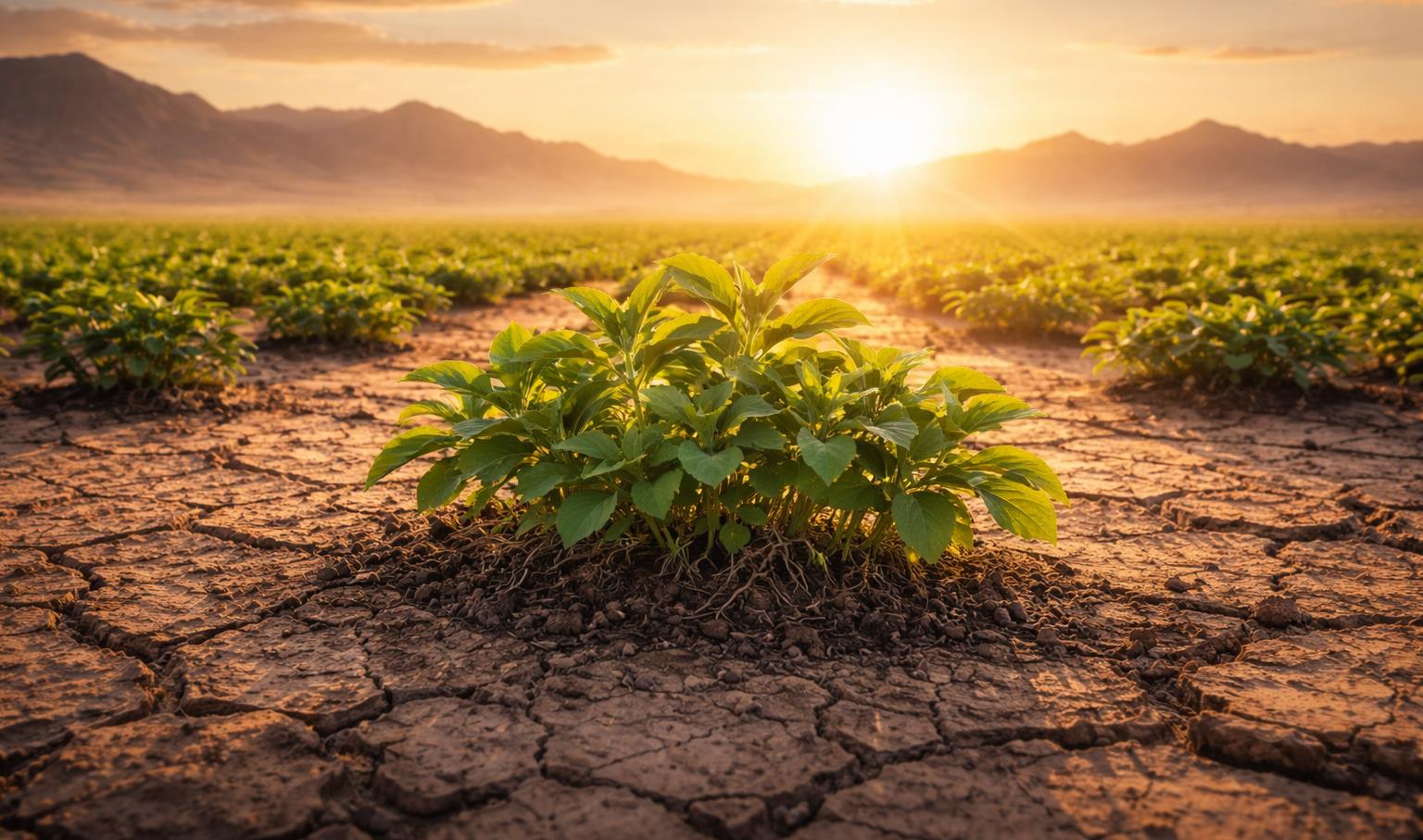
Biochar is part of the soil system, not just an additive.
The right product and dosage depend on soil, plant species, irrigation strategy and growing-medium design.
Applications across the landscape lifecycle.
Start with the soil, then select the right product and blend rate.
Tree pits & landscape planting
Blend activated biochar or biochar-compost into designed root-zone media.
Nursery propagation
Use within engineered substrate blends for seedlings, cuttings and young plants.
Landscape & public realm
Supply in jumbo or packaged formats for contractors and soil-blending operations.
Sandy-soil rehabilitation
Add stable carbon and organic matter to low-retention sandy soils.
Water-efficient horticulture
Use porous carbon to increase root-zone water-holding capacity.
Compost & soil blending
Combine activated biochar with mature compost and mineral soil components.
Blend it where the roots will use it.
JWAIN generally recommends incorporating biochar into the root zone or growing medium rather than applying it as a decorative surface layer.
Review texture, EC, pH, organic matter and irrigation-water quality.
Activated Biochar for concentrated carbon input; Biochar-Compost where organic matter is also required.
Testing is preferred before full-scale deployment.
Agree particle size, moisture condition, packaging and batch documentation.